
Age Discrimination within the Interview Process is a Real Thing
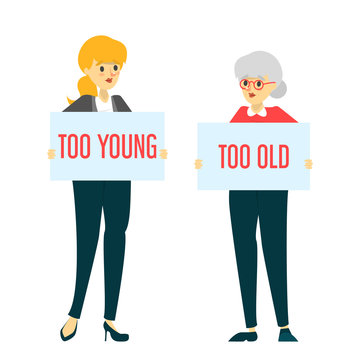
Have you ever experienced a moment during an interview for an executive position where you sensed you were being judged based solely on your youthful appearance, rather than your qualifications and experience? While not explicitly stated, subtle cues in the questions asked can hint at underlying age discrimination. Paying close attention to the interview dynamics and the nature of the questions can reveal when age bias is at play. Despite being well-qualified and performing impressively during the interview, the ultimate outcome often manifests as a rejection for the position.
Age discrimination in the interview process is a widespread concern affecting candidates across different age groups. An all too common scenario involves older candidates being passed over in favor of younger counterparts. Biases linking youth to attributes like energy, adaptability, and tech-savviness lead employers to favor younger applicants, often at the expense of experienced individuals. Conversely, age discrimination can also occur when an applicant, despite being of the appropriate age, appears youthful due to genetics or other factors. Such biases can create significant barriers to employment, hindering opportunities for capable individuals regardless of their age.
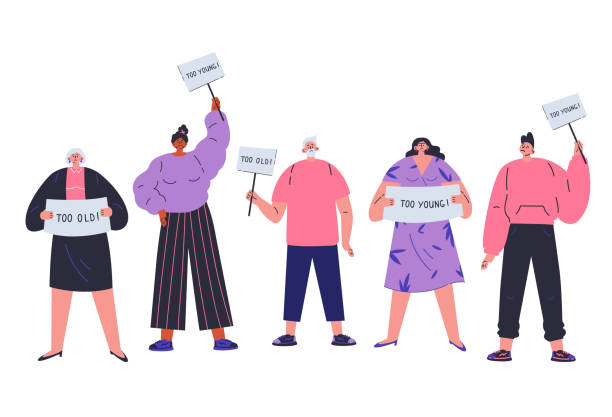
Moreover, age discrimination in interviews can manifest subtly through coded language or stereotypical assumptions. For instance, employers might use phrases like “digital native” or “energetic” to signal a preference for younger candidates, implicitly excluding older applicants who may not fit these descriptors. Similarly, interview questions about long-term career plans or retirement intentions can be used to gauge an applicant’s age, leading to discriminatory decision-making based on assumptions about older workers’ commitment or longevity in the role.
Furthermore, age discrimination in the interview process can trigger systemic inequalities and hinder diversity and inclusion efforts within organizations. When older candidates are consistently overlooked or undervalued, it contributes to the marginalization of older workers in the workforce. This not only deprives companies of the diverse perspectives and expertise that older employees bring but also reinforces ageist attitudes that undermine the value of workers at different stages of their careers. Companies miss out on the right talent for such positions because they are immature in their interview process and decision making.
Author: The Impartial Lab (M.TIL)
Related Posts

Got Conflict, Employees? Take Charge and Adopt these 15 Pivotal Skills to Help Resolve Workplace Conflict
When navigating conflicts as an employee, honing certain pivot skills can help contribute to a more consolation of appropriate and constructive resolution. Please understand that e

Identifying Cultural Misunderstandings in the Workplace That Lead to Disputes
Identifying cultural misunderstandings in the workplace is crucial for fostering a harmonious environment. One indicator is communication styles. And because it appears that most h

Microagressions and Marcoagressions: Navigating Racial Dynamics in the Workplace, and Impacts on the Black Community
Though there is a difference, both are detrimental! Today will be discussing this topic on the basis of the black community for Black History Month. However, Microagressions and Ma

Spotting Workplace Culture Clashes: 9 Key Signs You Can’t Ignore
Let the signs speak for themselves. Let’s get into it! Here are nine signs that can indicate the presence of culture conflict within the workplace: 1. Communication Breakdo
