
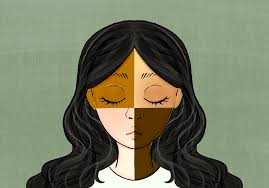
Casting Shadows: The Prepetuation of Color Hierarchy within Racial Communities
Intra-racial colorism refers to discrimination or prejudice within a single racial or ethnic group based on varying shades of skin color. In common parlance, it’s identified as discrimination between individuals of the same race or ethnicity, such as black on black, Hispanic on Hispanic, Filipino on Filipino, and so on, encompassing additional races where skin tones range from light to dark. Intra-racial colorism manifests as favoritism towards individuals with lighter skin tones, often resulting in a sense of superiority and prejudice against those with darker skin tones within the same racial or ethnic community. This phenomenon can affect various aspects of life, including social, economic, and educational opportunities.
Within a group affected by intra-racial colorism, interactions among individuals can be characterized by complex dynamics influenced by biases related to skin tone. Lighter-skinned individuals may experience privileges and advantages, sometimes unknowingly, due to societal preferences for lighter complexions. In such instances, they may adopt a persona akin to their Caucasian counterparts, exhibiting attitudes and behaviors that discriminate against their own race, often feeling entitled and accepted. This can lead to a sense of superiority or entitlement among some lighter-skinned members, resulting in behaviors such as condescension, exclusion, or subtle forms of discrimination towards their darker-skinned peers. Conversely, darker-skinned individuals may internalize societal biases, experiencing feelings of inferiority or self-doubt that can affect their confidence and interactions within the group.

Intra-racial colorism can also foster competition and division among individuals within the same racial or ethnic community. Lighter-skinned individuals may be perceived as more desirable or attractive, eliciting envy or resentment from darker-skinned counterparts. This competitive dynamic can manifest in various social contexts, including dating, friendships, and professional relationships, where lighter-skinned individuals may receive preferential treatment or attention. Such dynamics can strain interpersonal relationships and create tensions within the group, perpetuating cycles of inequality and undermining solidarity among members.
Moreover, individuals within an intra-racial colorism group may experience internal conflicts as they navigate their own identity and sense of belonging. Lighter-skinned individuals may grapple with feelings of guilt or responsibility for benefiting from colorist attitudes, while darker-skinned individuals may struggle with self-acceptance and societal pressures to conform to Eurocentric beauty standards. These internal struggles can contribute to a sense of division and alienation within the group, making it challenging to foster genuine connections and solidarity based on shared experiences of racial discrimination. Additionally, ethnicities of the same shade can discriminate against each other due to jealousy and perceived advantages associated with lighter skin tones.
Author: The Impartial Lab. (M.TIL)
Related Posts

Generational Clash in the Workplace: Bridging the Divide for Harmony and Success
I ask myself, why is no one talking about the matters of generational integration within the workplace that have their own set of conflicts? These conflicts certainly disrupt the t

Race Narratives
In the workplace, the impact of race narratives can be significant, influencing both individual experiences and organizational dynamics. One way this manifests is through implicit
Understanding where Conflict Arises (Part 1)
Conflicts can arise in various areas, especially within organizations. In most cases, they start subtly and innocently but quickly escalate into a full-blown battlefield. While we

What is an Ombudsman?
The term “Ombudsman” often elicits curiosity, as many are unfamiliar with this role in the workplace. This is largely because most companies overlook the importance of
